Alex Hickey, 2025-09-17
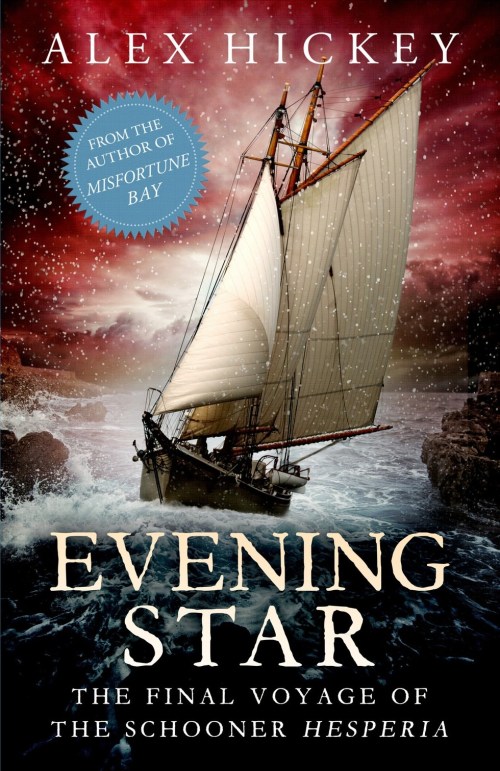
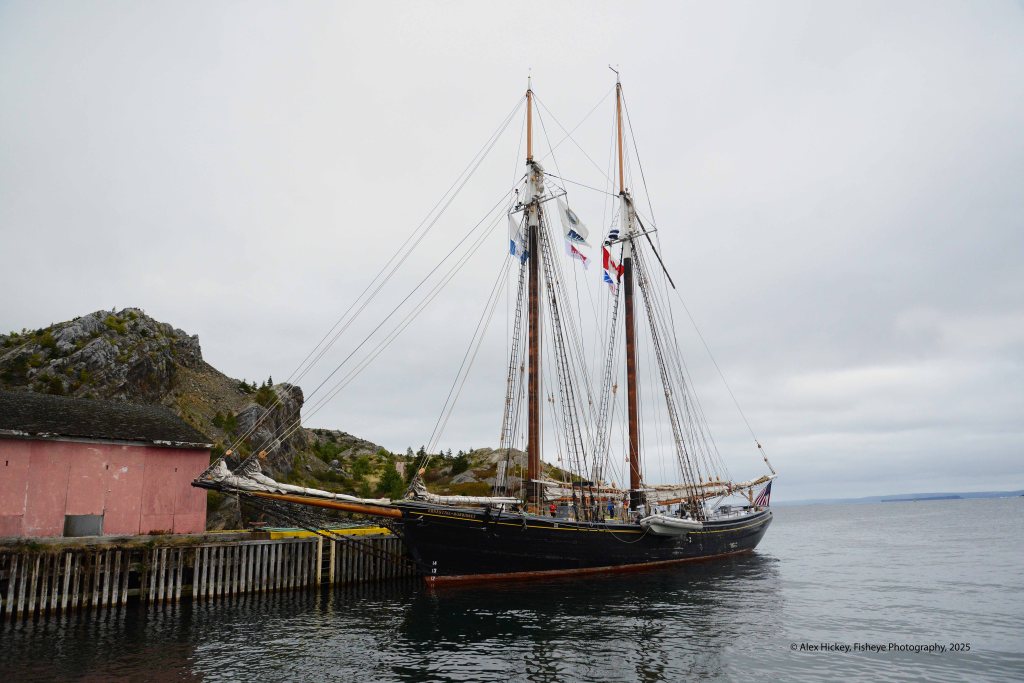
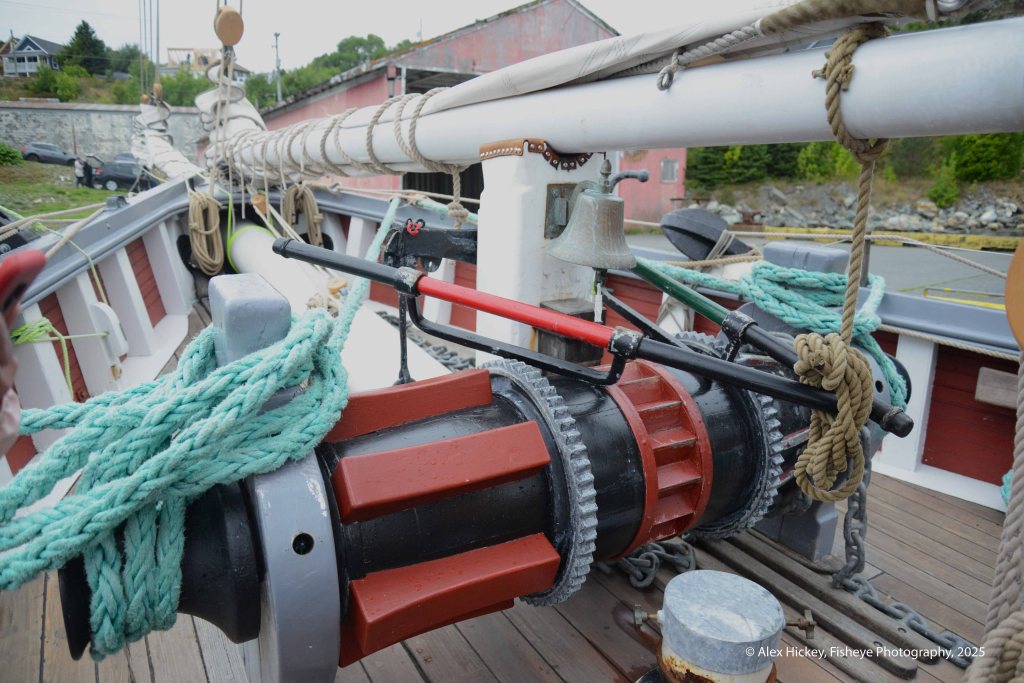
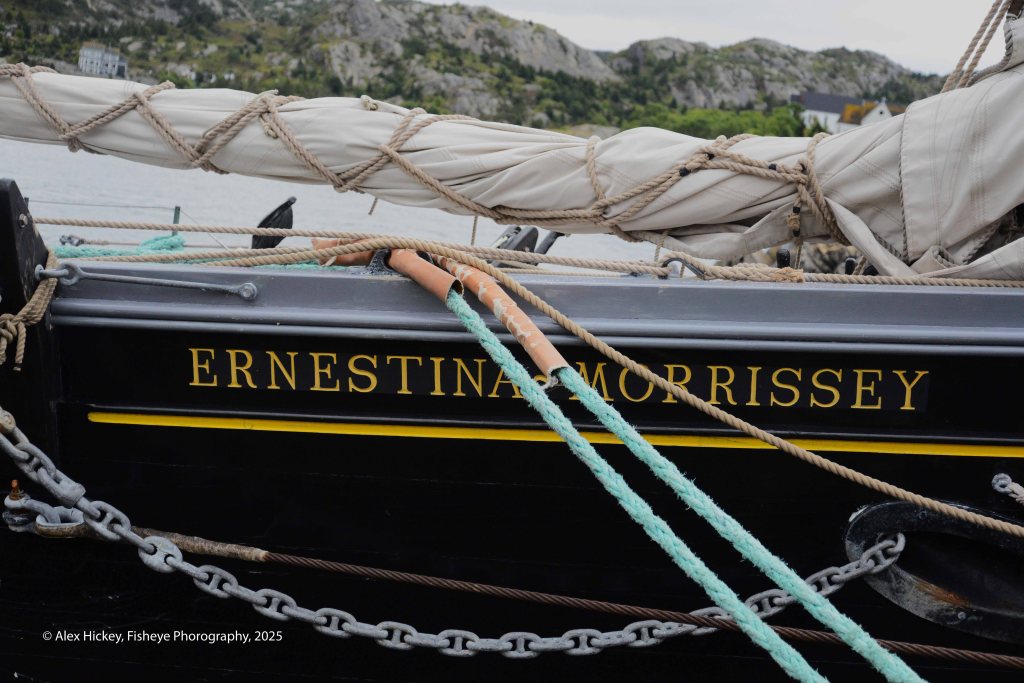
On the eve of releasing my book, Evening Star: The Final Voyage of the Schooner Hesperia, I had the profound experience of walking the deck of another schooner built around the same time as the Hesperia. After several years of reading, researching and writing about schooners that first step onto the deck of the Ernestina Morrissey in Brigus, NL, was like entering a time travel portal. When my foot made contact with that worn deck moving with the motion of the sea, the visceral response was beyond words. In an instant, the forces of the universe that cause tides and the great oceans of the world to exist in a continuous state of movement were shared with me through that vessel.
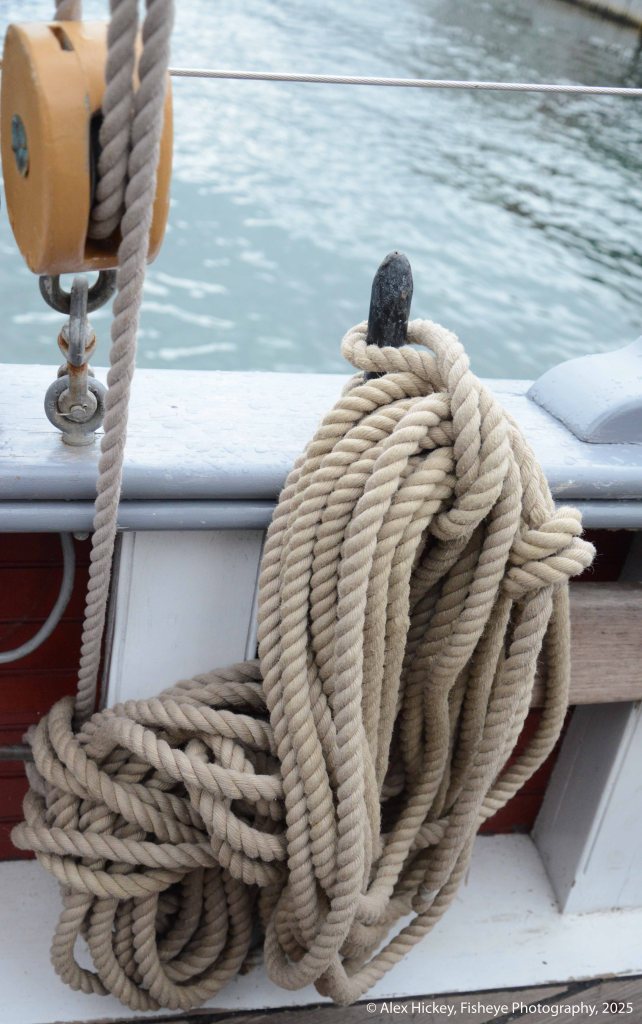
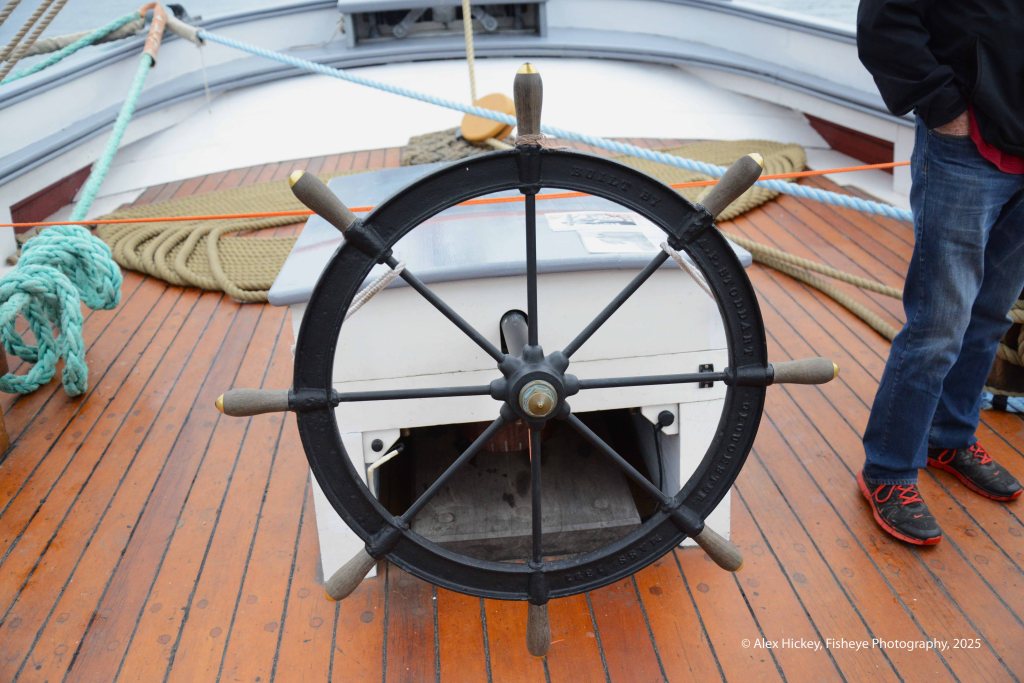
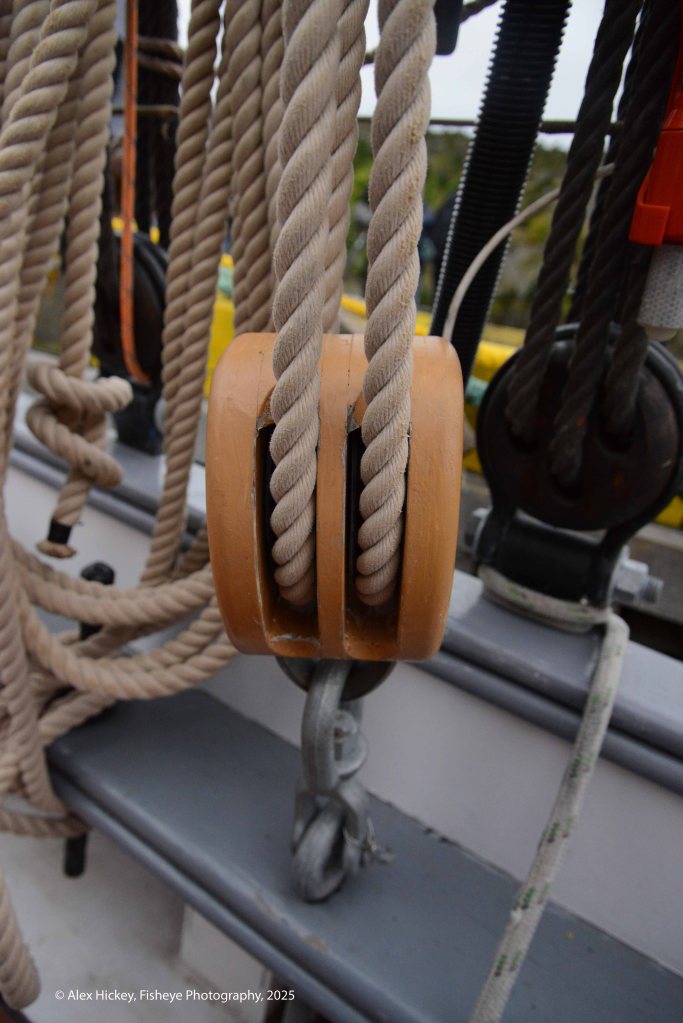
I have often heard sailors, and those familiar with the sea, remark that schooners are living things. I am doubtful that anyone has ever been able to fully explain what is meant by that. Yet, when you look around the deck of one, at the masts, the ropes, rigging and sails, the shape of the hull and the manner in which it sits atop the water, there’s a suggestion that it is waiting for someone to make the first move. Even at dockside, with the subtle rise and fall of waves, it keeps alive its symbiotic relationship with the sea. The motion never ends as it awaits the casting off of a hawser, the raising of a sail, a swing of the boom and a hand at the helm.
When I was writing Evening Star, an imagined account of an actual event that took place in 1916 off the south coast of Newfoundland, I stood in the boots of Captain Abe Skinner of the Hesperia and imagined the experience of sailing between St. Jacques in Fortune Bay and Sydney, Cape Breton, Nova Scotia, thence to St. Pierre and Miquelon in December. I read about life at sea at that time, talked to sailors and consulted experts. I studied marine charts, the language and lore of the sea, the origin, actions and consequences of storms, and the events of that time period on the east coast of North America. It was all informative and helped with recounting that voyage.
The sea is no stranger to me. I’ve seen it from above and below its surface, moved across it in vessels that ranged from small dories to a Canadian Navy ship, and vicariously lived on it through the storytelling of those who did so in all seasons and under all conditions. I know about it, but I don’t truly know it as do those whose lives have been spent upon and under it. There is one thing, though, that we all have in common. That is the rhythm of the ocean felt through the ship itself. It is a feeling of knowing that defies description. You can look at someone experiencing it with you, and smile, for they know what you are feeling. There’s no need to speak. That’s where the living ship comes in. Its communication is elemental, profound, and primordial.
When the deck of the Morrissey rose to meet the sole of my foot I was once again standing in the boots of Captain Abe Skinner.
Evening Star: The Final Voyage of the Hesperia, is published by Flanker Press and available online and in bookstores as of October, 2025.
 All Things St. Jacques, NL
Leave a comment