Posted by: alexhickey | March 7, 2013

St. Jacques Come Home Year 2012 ©

Part 1 – The Event

“Home is a place you grow up wanting to leave, and grow old wanting to come back to.”  John Ed Pierce

During the first two weeks of August 2012 the town of St. Jacques-Coomb’s Cove hosted a Come Home Year or Homecoming Year as others might call it.  For those who don’t know, St. Jacques-Coomb’s Cove is a town comprised of six distinct communities on the north side of Fortune Bay.  It was incorporated in 1971 when the communities voluntarily agreed to work together as a single entity yet retain all of their distinctiveness.  The town derives its name from the communities which sit on its east and west borders. During this Come Home Year each of the communities, St. Jacques, English Hr. West, Mose Ambrose, Boxey, Wreck Cove, and Coomb’s Cove collaborated in some common activities but left each community to plan its own. St. Jacques is the eastern-most community.

Twenty years ago the community hosted a similar event which by all accounts was a tremendous success.  One can say with confidence that the 2012 event was just as successful.  These types of events are poignant by nature; however, when one reflects upon the many faces whose smiles no longer meet our gaze twenty years later, the poignancy is accentuated.  Though there were tinges of sadness, they were countered with many moments of joy, celebration, and discovery.

The opening ceremony was a shared event where residents and visitors gathered on the local hockey rink in English Hr. West to meet and greet and hear speakers talk about the shared heritage of the six communities.  This was followed by another gathering in each community.  At the Community Centre in St. Jacques everyone danced well into the morning. It was a dance that broke the floor!  The rest of the event was just as much fun!
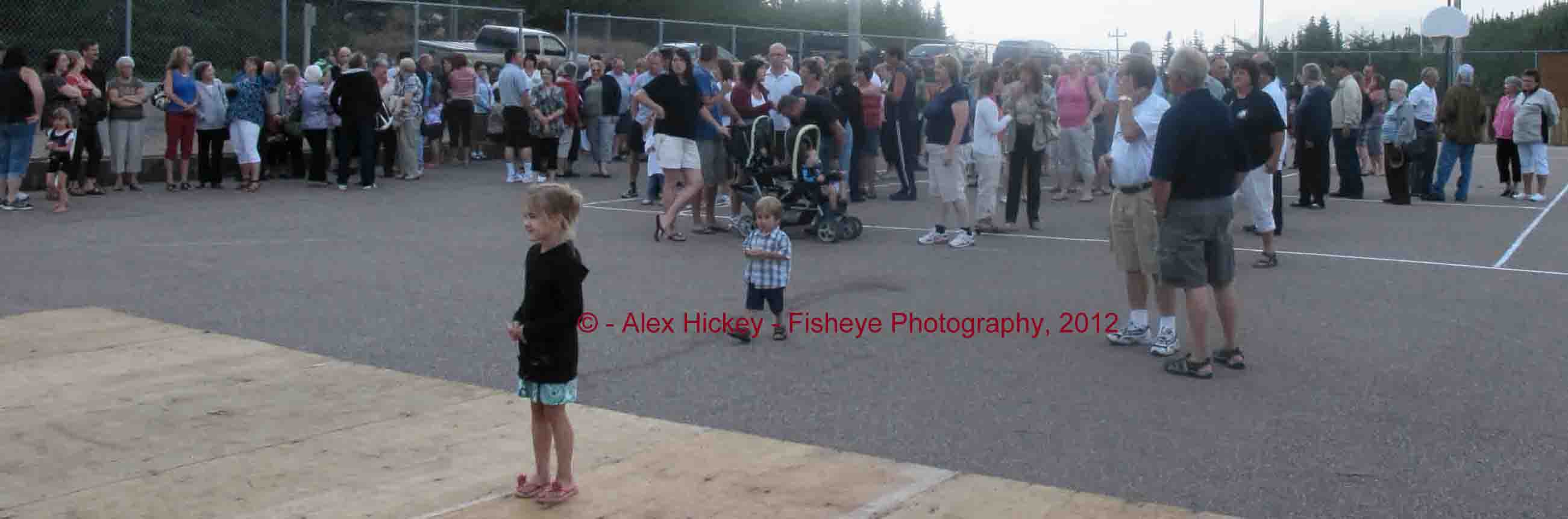
chy-opening

Families and descendants of former residents found their way back to the harbour to the delight of everyone.  One family in particular received a lot of attention – the Fitz-Geralds.  The great-grandson of Dr. Conrad Fitz-Gerald, a beloved and warmly remembered medical doctor who worked and lived in St. Jacques from 1901 to his death in 1939, arrived with his two adult children.  This was the first visit of a Fitz-Gerald family member since the burial of their great-grandmother Keturah (Partridge) Fitz-Gerald in 1946. Needless to say their presence added to the excitement and celebrations.  Mayor Max Taylor hosted a luncheon in the Community Centre for the Fitz-Geralds along with many local dignitaries. Their visit was also documented by the local newspaper, The Coaster in an article titled, Fitz-Geralds Visit Their Roots.  The Fitz-Geralds were able to chat with a gentleman who had been a young patient of Dr. Conrad Fitz-Gerald and a lady who lived in the Fitz-Gerald residence atop Mount Pleasant after the ‘good doctor’s” departure.

Returning for a second visit in less than five years was another delightful former resident, Jeanne D.  Jeanne immigrated to Canada in the 1940’s where she worked and raised a family.  In her heart there was always a corner where she stored her passion for St. Jacques.  It is only in recent years that she was able to return and bring her children and grandchildren, to show them this mythical place she so often told them about.  Though in her late 80’s she was able to take to the dance floor in the Community Centre and waltz to the rhythm of a well-known local song.
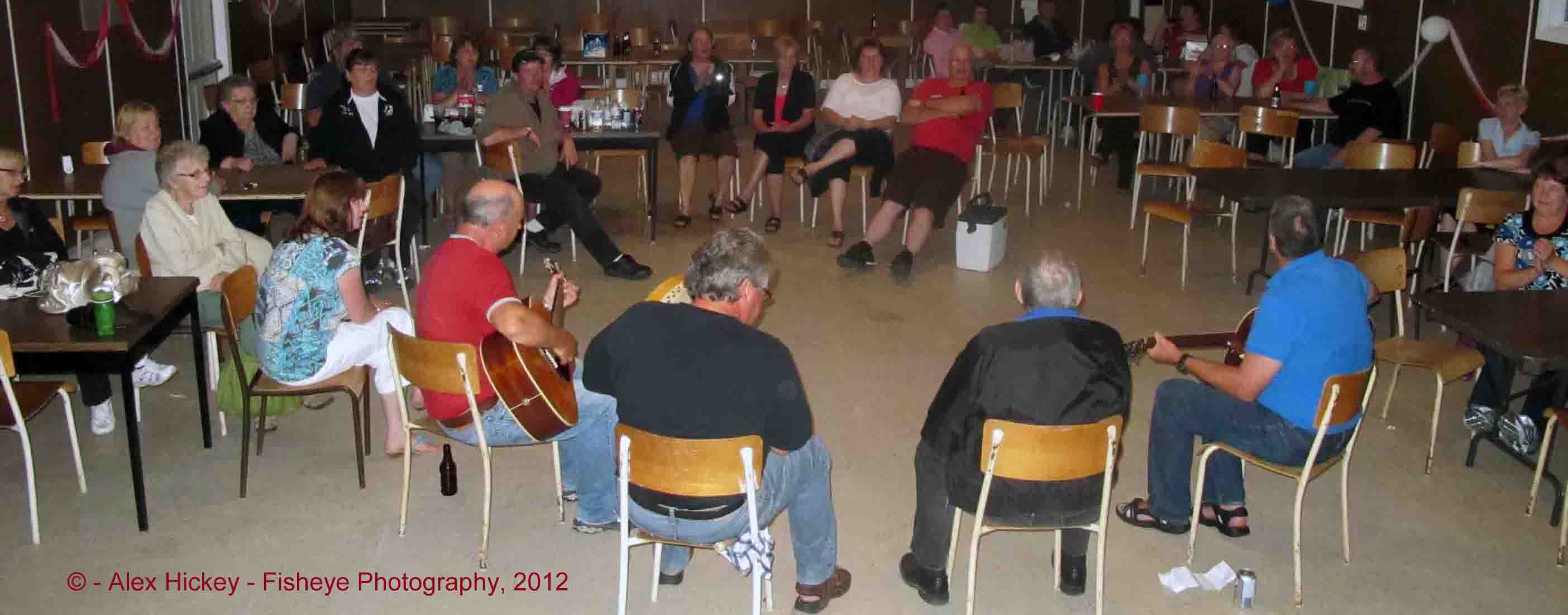
chy-kitchen-party

Earlier in the summer of 2012 another family whose roots are embedded in the history of St. Jacques came to visit from Michigan in the United States, for the first time in almost a hundred years.  Descendants of a marriage between two people from two of St. Jacques most prominent 19th century merchant families, the Burkes and the Youngs, found their way home.  The eighty-four year old granddaughter of that union and her daughter spent several days exploring people and place, including an emotional visit to one of the old family houses which is still standing.

In the midst of the celebrations there arrived a lady, Isabel W., who at 86 felt as energetic and exuberant to be in St. Jacques as her husband Stillman who had driven for eight hours across the island of Newfoundland to take part in the celebrations.  The first night they arrived Uncle Still, as he is known far and wide, celebrated his 88th birthday!

For the second year in a row the Nickel Film Festival was featured during the Arts Festival.  Short films by Newfoundland  as well as Canadian filmmakers were featured at this event.  Award winning filmmaker Ruth Lawrence of Blue Pinion Films, who was born in St Jacques, hosted the evening.

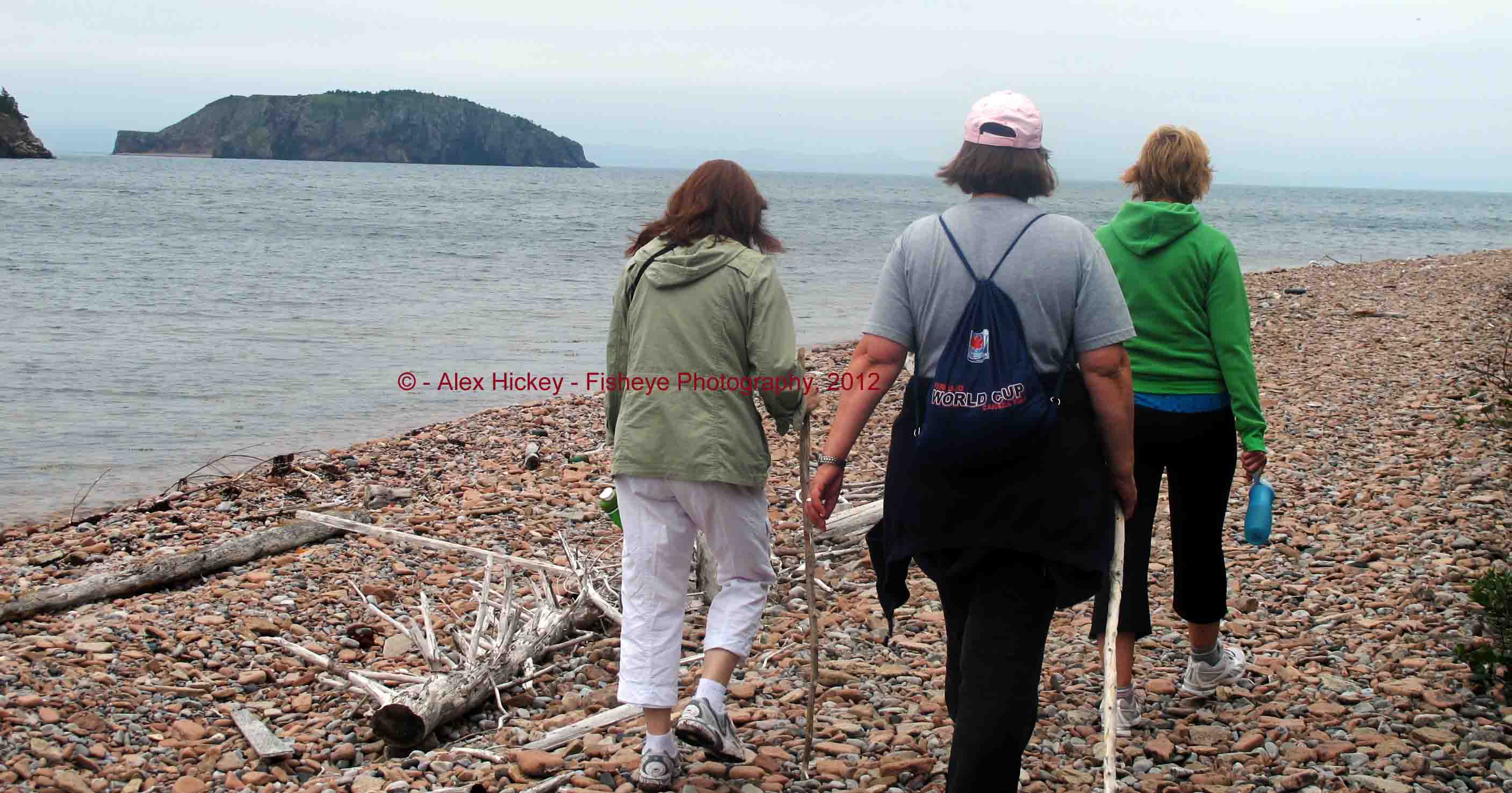
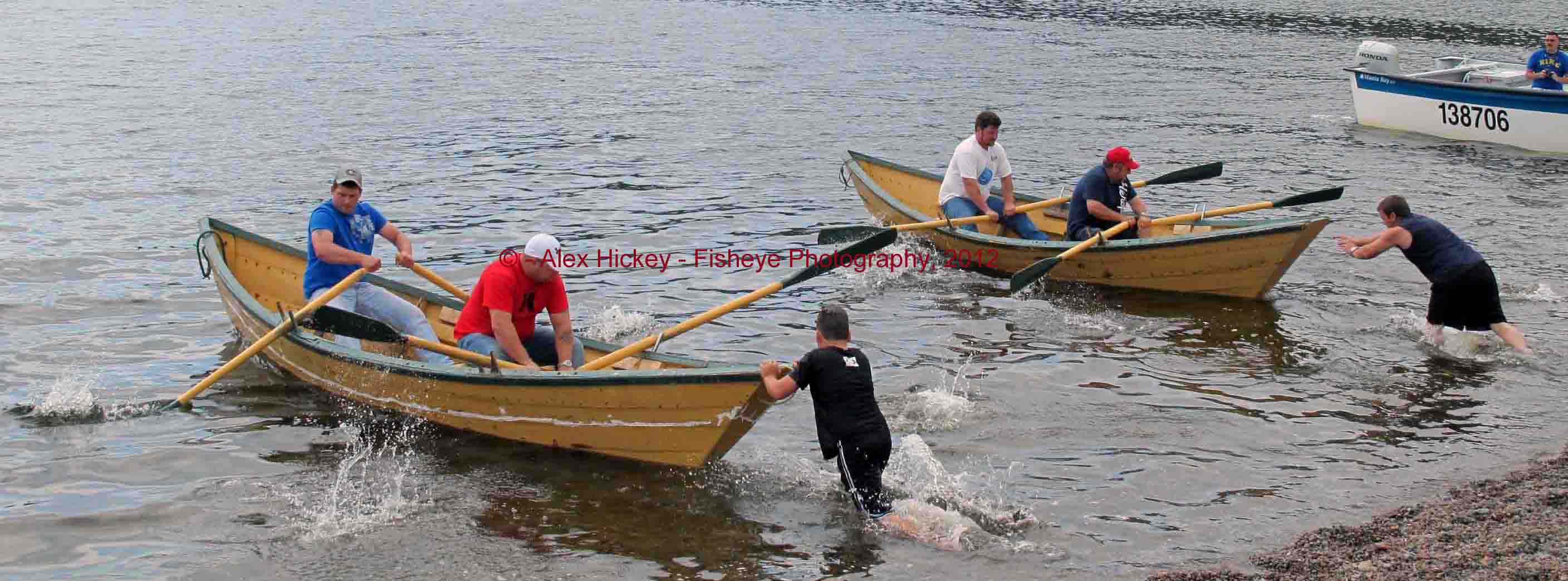
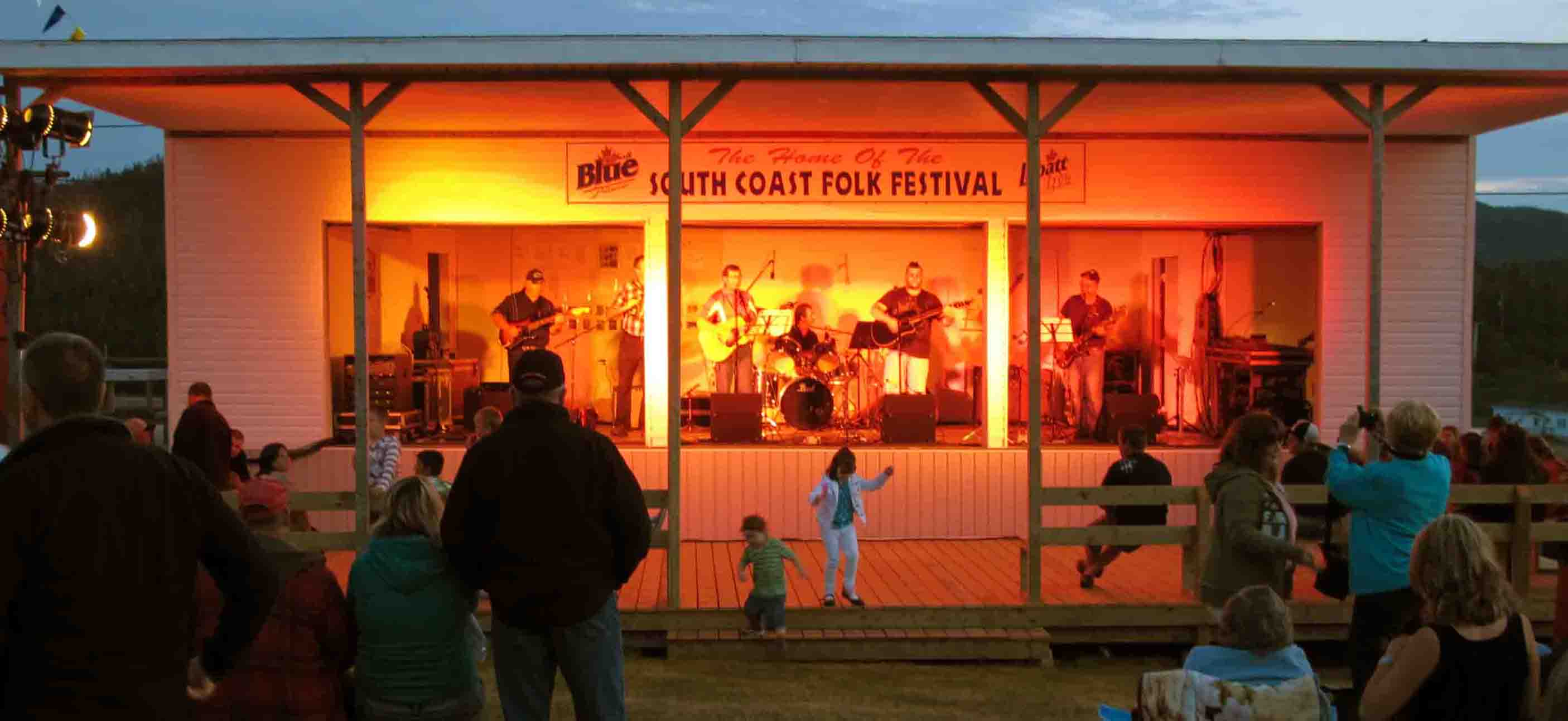
There were hikes to Big Hill and to Louis’s Cove, dory races in the Barachoix, bonfires on the beach, family reunions, and endless backyard and kitchen parties.  The event culminated in the three-day,  28th Annual South Coast Arts Festival held on a dedicated field in St. Jacques.
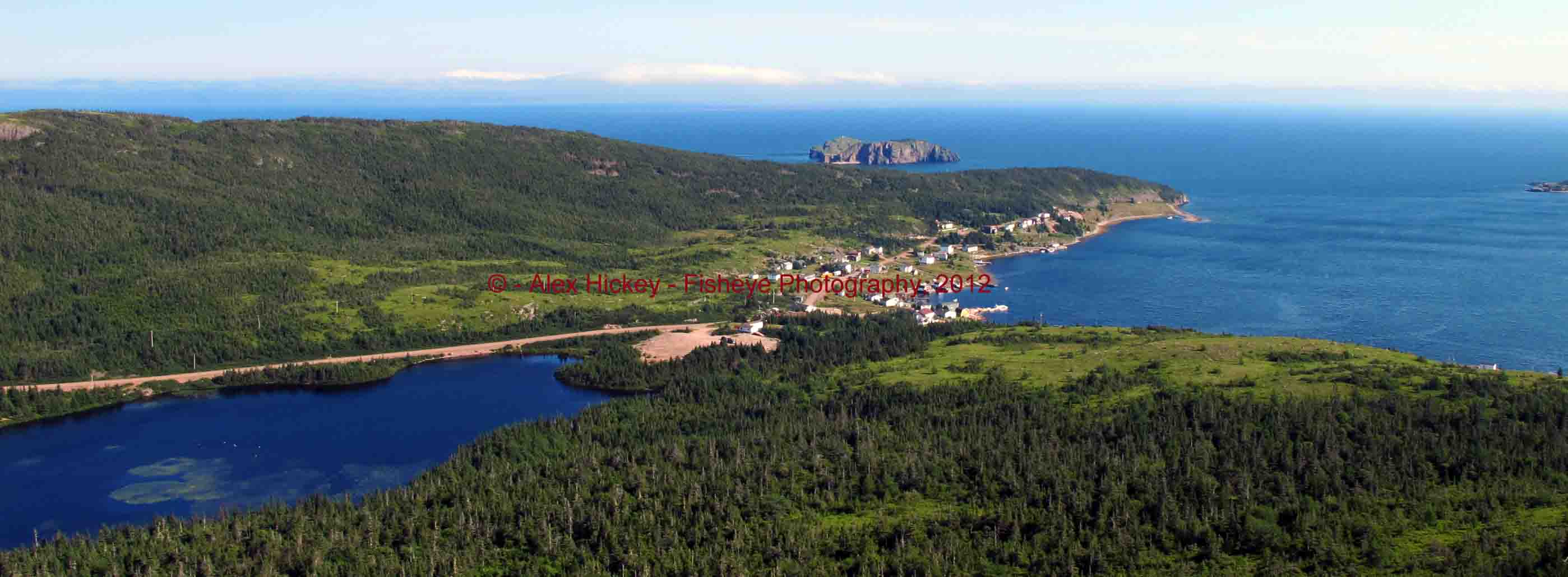
chy-hike-big-hill

chy - louis-cove-hike

chy-dory-races

chy-arts-festival

Ask any family currently living in St. Jacques what their memories are of the 2012 Come Home Year and you will likely be regaled with stories of extended family visits; of events almost forgotten; of people whose names are known only from granite markers; and the suspension of most everyday life events to take part in a celebration of who we are, who we have been, and dreams of who we might become!  A comment which will usually follows is that we should do this more often.
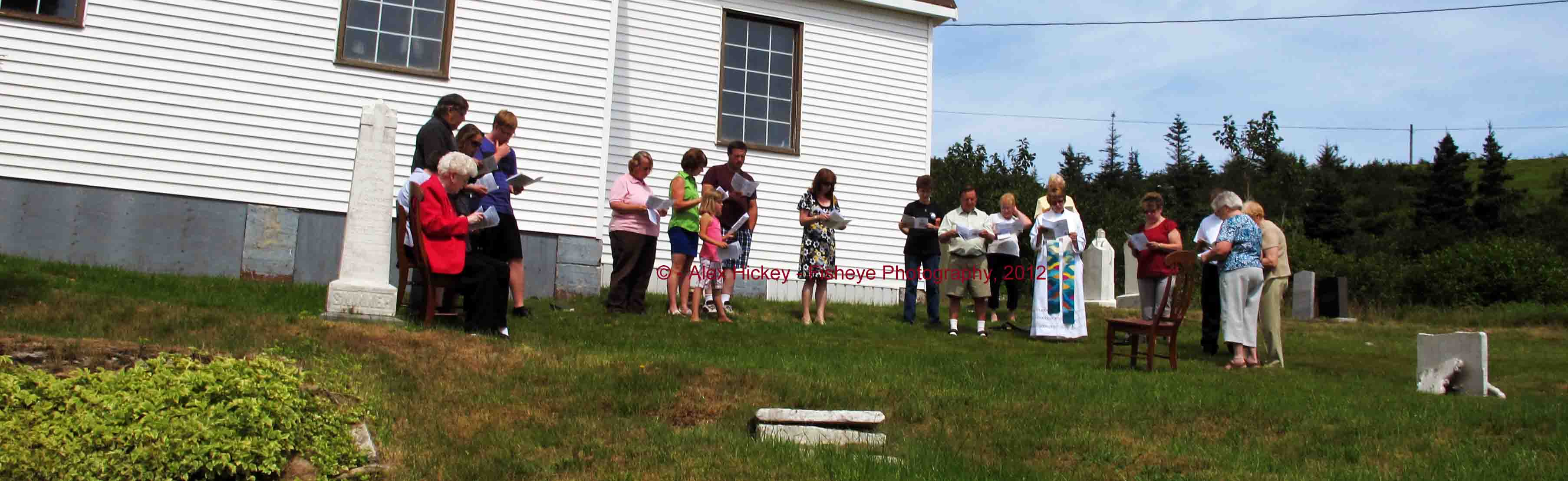
chy-memorial-service

Ask visitors about their memories and you’ll hear how there wasn’t enough time; how there were other people they would have liked to have seen; how they will come back again; and how we should do this more often. Read an article by Clayton Hunt of The Coaster who interviewed a number of people attending the festival on August 12th, titled Back Home Again.

Behind all of this, transparent to most, are the volunteers who spend months, even years, planning the event.  They tirelessly go about the arduous work of anticipating every detail and plan to meet every need; all the while giving up time with family, working longer days and stressing that all will go as planned.  When visitors arrive they fade to the background, smile at the goings-on and take pride that they have done good!  They are the one who make it possible for the rest of us to come home!

Home is the place you grow old wanting to go back to; whether you left to escape youthful perceptions of its limitations or were forced by economic, social, or educational needs to seek life’s journey elsewhere.  It is a place where, in our minds or bodies we travel to re-charge our cultural and  emotional batteries; where we feel we first hoisted our sails; where, we are inevitably proud to say, we came from.

Part 2 -The Newsletter

The following is newsletter circulated to visitors to St. Jacques during its 2012 Come Home Year. I post it here for the benefit of those who missed the opportunity to visit.
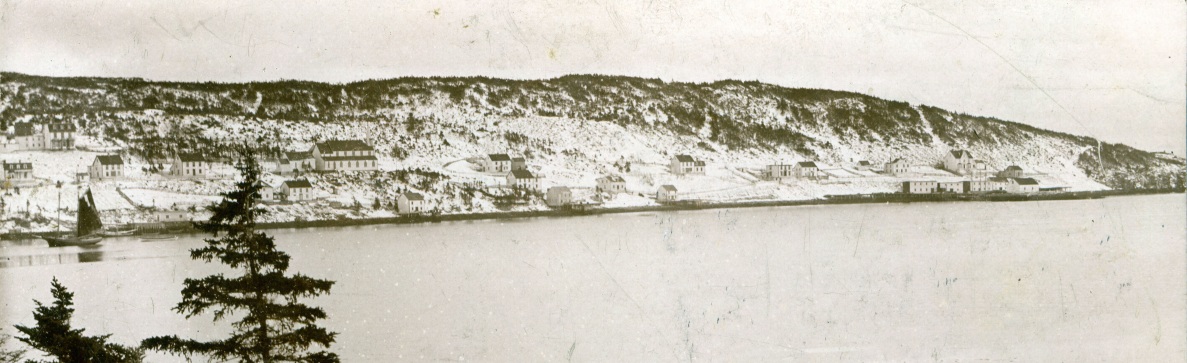
stjacques-04-newsletter

People have been living in this picturesque town since the early 1700’s, making their living from, and on, the sea. Its deep, protected harbour provided anchorage for many residents through the centuries.  St. Jacques is a French name given before English settlement on the coast.

Today, St. Jacques has a population of 131 with families whose extended members live around the world.  Its presence lives in the hearts of thousands and is spoken of fondly every day.

Residents of St, Jacques have left their mark on Newfoundland and Canada.  Dr. Conrad FitzGerald dedicated his life to the people of Fortune Bay; Dr. Vince Burke is known as the ‘father’ of Memorial University, and John McEvoy was one of the people who signed the Terms of Union when Newfoundland joined Canada in 1949.  The list goes on and on.

Tell someone you are from St. Jacques and you will likely hear, ”Oh, the home of the Marion”.  If you haven’t heard the song, listen to Simani sing The Loss of the Marian.

 During this Come Home Year we hope you recapture a few treasured memories, meet old friends and make new ones. As you spend time with us, let us know who you are and we’ll do the same for you.

We are glad you came back for a visit.
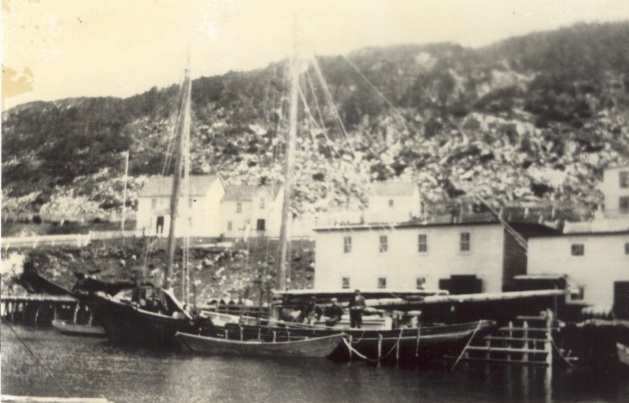
stjacques-o1-newsletterImage 1:  Burkes Cove c.1900

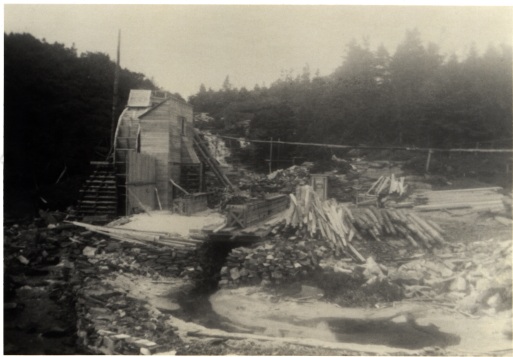
stjacques-02-newsletter  Image 2:  Dyett’s Sawmill in Pitmans Brook, c, 1950
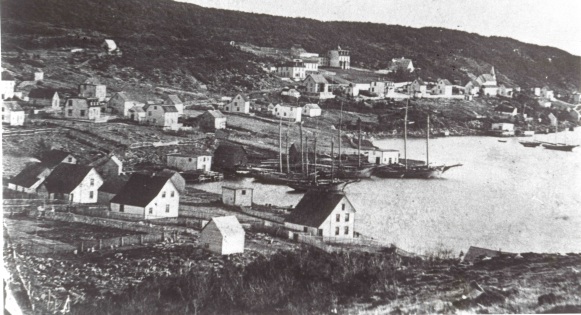
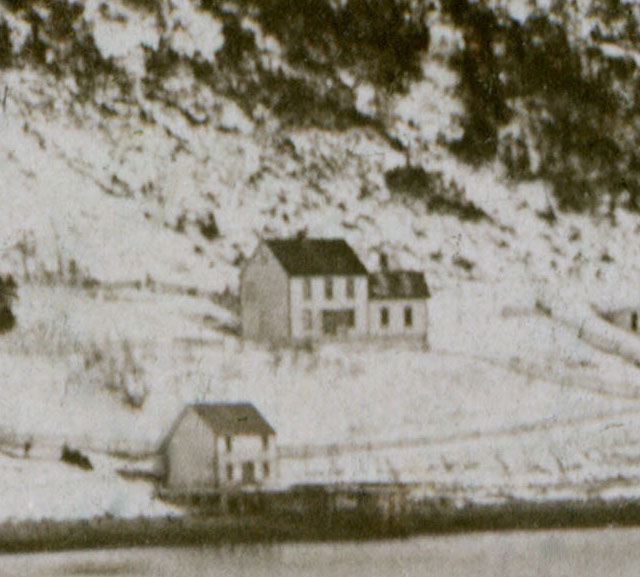
stjacques-o1-newsletter  Image 3: St. Jacques c. 1900

Schedule of Events

August 4– Saturday CHY Opening – Mose Ambrose Ball Field, followed by Meet & Greet and Dance at St. Jacques Community Centre.  Music by Southern Connection –

August 5 – Sunday  7:00 pm – Looking Back at St. Jacques with Alex Hickey; followed by a Kitchen Party – bring your voice, booze or an instrument!

August 6 – Monday 1:00 pm – Hike to Louis’s Cove (Difficult) – Meet at Community Centre; 8:00 pm – Giant Bingo at Community Centre ($500 Jackpot)

August 7- Tuesday 2:00 pm – How to Trace Your Family Tree with Hazel Hickey; 7:00 pm – Family Night at the Beach – Bonfire and Sing-a-Long

August 8Wednesday 2:00 Catholic Church Flower Service; 3:00 Hike to Burke’s Cove (Moderate) – Meet at Community Centre; 8:00 pm Lions Club Bingo, English Hr. West

August 9 – Thursday 1:00 Hike Big Hill (Difficult) – Meet at Festival Site; 6:00 pm FitzGerald HS Reunion, and Dance, English Harbour West

August 10 – Friday 7:00 pm South Coast Arts Festival, St. Jacques

August 11Saturday 2:00 pm South Coast Arts Festival, St. Jacques; 5:00pm – Supper at Community Centre

August 12Sunday -1:30 pm Anglican Church Flower Service; 2:00 pm South Coast Arts Festival, St. Jacques

St. Jacques Family Names Through the Years

Allen, Baker, Beales, Bemister, Bishop, Bridle, Brown, Burke, Clinton, Cluett, Cox, Dawe, Dick, Dodge, Dollimont, Dominix, Dinham, Drake, Drakes, Dyett, Earle, Evans, Farrell, Fewer, Fiander, FitzGerald, Fudge, Giovanetti, Grimes, Hanhams, Herridge, Hickey, Hodder, Hoskins, Hunt, Hynes, Johnson, Kassop, Keeping, Keddle, Lawrence, Lee, Lundrigan, Lynch, McCarthy, McEvoy, Murphy, Nolan, Noseworthy, Nurse, Oakey, Osborne, Paul, Penney, Piercey, Poole, Pope. Power, Redmond, Skinner, Smith, Snelgrove, Staples, Stoodley, St. Croix, Savory, Tibbo, Tulk, Wells, Whalen, Whittle, Williams, Yarn, Young

Did you know this about St. Jacques …

  • Nine men from St. Jacques served in WW I?
  • Twenty-five men and one woman from St. Jacques served in WW II?
  • George Paul of St. Jacques was the youngest man ever selected for the Newfoundland Rangers Force?
  • William Skinner, who had survived WW I, was killed on the Grand Banks when hit by the ships boom in 1923
  • Captain James Cook surveyed St. Jacques harbour in 1765
  • The lighthouse on St. Jacques island was first lit on July 14, 1908
  • The Fortune Bay Sons first album cover was shot on St. Jacques Island
  • Lt. Edgar Skinner was a POW for two years during WW I
  • The original Roman Catholic Church was consecrated in 1895
  • The Anglican Church was built over a hundred years ago
  • Gorton and Pew of Gloucester, Massachusetts once operated a business here
  • Captain Soloman Jacobs of Gloucester  set a record for sailing from St. Jacques, Newfoundland, to Gloucester with a load of frozen herring in January, 1896 in 59 hours.
  • The Young family business of St. Jacques got its start in St. Pierre before 1763
  • The French were fishing out of this area in 1713
  • Tony Burke travelled the coast showing films on behalf of the NFB in the 1940’s
  • The Presentation Sisters moved from Hr. Breton to  set up their convent here in 1892
  • St. Jacques harbour was insured by Lloyds of London as a secure harbour
  • Captain Lester Hickey of St. Jacques accepted the surrender of German U-Boat 190 on the Grand Banks in 1945
  • Granny Fudge, as she was known, was a mid-wife who delivered many of the babies born here in the 1950’s
  • The Albatross, owned by Dr. Fitzgerald was lost in 1916 while trying to rescue men from another shipwreck
  • In 1963 Eric Fiander and Hughie Myles were lost from St. Jacques island
  • The Marion ran ashore in St. John’s Bay on August 12, 1907 during heavy fog under command of Captain Dinham suffering only minor damage
  • The Marion also ran ashore in Cape la Hune Bay in January 1915 during a storm under the command of Captain Dick Nurse.  She damaged her keel which was replaced in St. Pierre immediately afterwards
  • Hazel Young from here ran the St. John’s Red Cross Hostel for many years
  • Joe Drake Sr. spent many years sailing on a schooner named The Golden Stream out of Belleoram
  • Joe Earle and Charlie Noseworthy spent eight days adrift on the Grand Banks
  • Vince Burke was Newfoundland’s first Senator in the Canadian Senate
Posted by: alexhickey | March 1, 2013

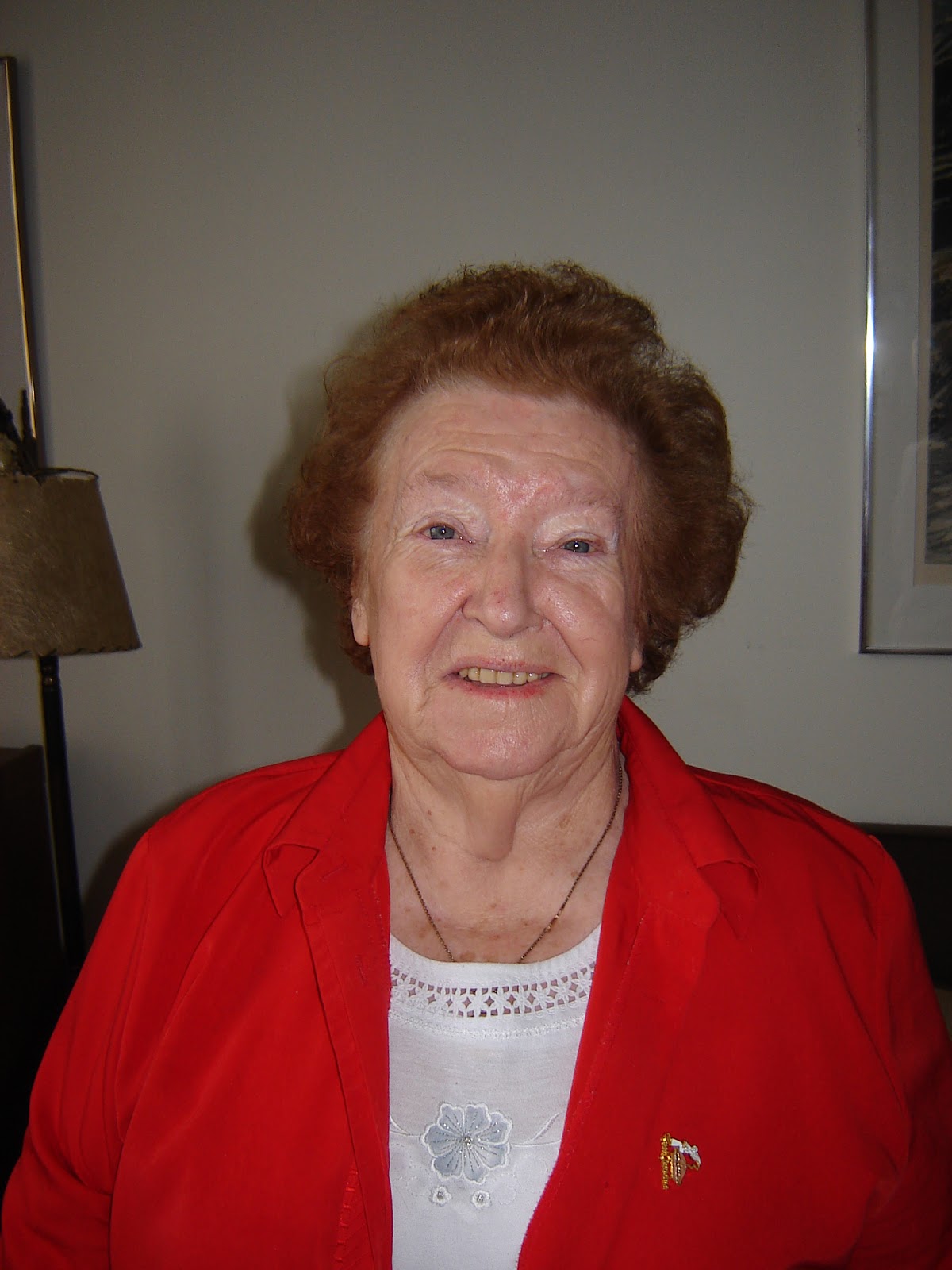
Alice Lannon (McCarthy)

Alice Lannon (McCarthy)

alice-lannon

Alice Lannon (McCarthy) was born in St. Jacques.  Ask anyone who listened to her; and many did, for Alice was a born storyteller.  Yesterday morning on a flight to Deer Lake we stopped in Stephenville to pick up passengers.  In walked a friend whose family also came from St. Jacques, a grand-daughter of Chris and Lucy McCarthy.  As it happened she sat beside me and we chatted about the McCarthy family history.  She told me of her visit with Alice Lannon last August and the many stories she had of people and events in St. Jacques.  Little did either of us know that this was Alice’s last day with us.

She lived most of her life in Southeast Placentia. Today I read her obituary in the St. John’s Telegram. Alice was a daughter of Tom and Julia McCarthy. They lived on the east side of St. Jacques towards Burkes Cove.  Their house was located just beyond the turnaround space at the end of the current road. The family moved to Terrenceville when Alice was a young girl. This is a picture of their house in  St. Jacques.

Tom McCarthy House

Her obituary had this to say of her:

“Alice was highly respected as one of the province’s storytellers and over the past 25 years has told stories at festivals and special heritage events. She has been interviewed by international folklorists and her storytelling has been documented in a couple of films. Alice credits her gift of storytelling to her grandmother Mary (Strang) McCarthy. Her grandmother retold the stories she had been told by an elderly aunt, who was born in Lawn around 1820. These stories have been passed on orally in our family for about 175 years. In 1991 some of these stories were preserved in a book which Alice co-wrote with her brother Michael McCarthy “Fables, Fairies & Folklore of Nfld.” Alice went on to co-author two more books with Mike “Ghost Stories from Newfoundland Folklore and Yuletide Yarns.” He was a well-known author in his own rite and predeceased her in 2005. While she had never been further than Grand Falls in the first 62 years of her life, she made up for it in the last 23 years with trips to Australia, Costa Rica, France, Hawaii, Ireland, Italy, Medjugorge, and numerous trips across Canada and to the United States. Every one of these trips created great fodder for her own stories such as “How I Stopped the Trains in Australia”. In addition to her storytelling, Alice is known in her community for her caring and generosity which were often demonstrated by a specially made tray of cream puffs or a plate of fudge or caretaking for the sick and elderly. As well as being Mom and Grandma, she was known to others as “Ao”, “Abbo” or Aunt Alice and received the designation of “Grandma Alice the Great” by one of her great-grandchildren.”

Alice Lannon is considered to be one of Newfoundland’s foremost storytellers.  Many of us have heard her tell those rich stories and fairy tales that reach back through generations. They evoke evenings sitting around the kitchen, a wood stove crackling, waves breaking on the shore and the dim light of a kerosene lamp casting shadows around the room as we hung onto every word and expression of the storyteller.

If you’d like to hear Alice tell some of her stories that were recorded at the 2010 Storytellers of Canada conference you can listen to them by clicking on any of the links below to the Digital Archives of Memorial University:

Alice Lannon – as Introduced by Martin Lovelace

 Alice Lannon – The Good and Bad Fairies

Alice Lannon – Big Black Bull of Hollow Tree

Alice Lannon – Open, Open, Green House

Alice Lannon – The Loss of the Marion

Nicole Penney , who works with the Intangible Heritage Office of the Heritage Foundation of Newfoundland and Labrador, has taken Alice’s story  The Big Black Bull of Hollow Tree and added photographs to bring it vividly alive. You may watch this video on YouTube under the title Tellin’a Yarn.

Folklorists and researchers whose interests include storytelling and folktales, particularly those that relate to fairies, found Alice to be a great source of information.  Martin Lovelace of Memorial University is one of those.  If you clicked on the first link above you heard Mr. Lovelace introduce Alice at the 2010 Storytellers of Canada Conference.  You can read a paper about one of Alice Lannon`s stories by Mr. Lovelace published in the Journal of Folklore Research in January 2001, titled, A Model of Appropriate Behavior? “The Ship That Sailed on Land and Water”

Click on Literary and Oral Influences in Newfoundland Folktales to read a more recent paper presented by Martin Lovelace at a conference in Lisbon in June 2012.

In a book edited by the late Peter Narvaez of Memorial University, titled The Good People: New Fairylore Essay Alice tells of how as children they would carry bread in their pockets to avoid being taken by fairies.  In her own words, “My grandmother used to warn us that when we went out, going in the woods somewhere, to have a bit of bread in our pockets.  And the custom was when the woman was baking bread she always made the sign of the cross on the bread to give God thanks for having flour to make bread, and she always called it the `blessed bread`.  And the fairies couldn`t touch you if you had a bit of bread in your pocket because they couldn“t come near that.  So we always made sure before we went berry picking or wandering through the woods, that we had little crusts of bread somewhere in our pocket.“

We don`t always think about where the stories came from that we hear or how it is that they are still around. It is through the efforts of storytellers like Alice Lannon that we are still able to hear the words our great-great grandparents heard.  I don`t know about you but the next time I hear a story from long ago I am going to listen carefully.  All too soon the voice that tells the story may be silenced.

RIP Alice Lannon from St. Jacques.

Posted by: alexhickey | February 17, 2013

What is This Place We Call St. Jacques? © Alex Hickey

What is it about this place, St. Jacques, which so many of us we call home?  The answer lies within one of the first questions that falls from the lips of most of my countrymen upon meeting a visitor, ‘Where are you from?  This is often followed by,’When did you get here?’, and ‘How long are you staying?’  All three of these encapsulate our inordinate need to belong to some place and to know who shares that place with us.

My daughter was barely two years old when we left St. Jacques over two decades ago; yet, when she was required to list her home town when registering for her first University Degree, there was no question in her mind of where she was from.  Such is the case with many of us.  Though we live somewhat distant from that glorious horseshoe shaped harbour with its towering hills sheltering it from the rest of the world, we define ourselves with that treasured membership.  It’s where we belong; where our hearts beat faster, and our feet step so much more lightly as we tread the well-worn path of generations before us.

St. Jacques was home to sixteenth century fishermen from Europe who saw in their meager subsistence-living, freedom, independence, and rejection of a class system which had kept many of their forefathers in servitude.  The sheltered harbour also welcomed those still indentured as servants and domestics; entrepreneurs who saw commerce in their future; and those who sought their employ.  All told, they were our ancestors; all told, they planted the seed that has travelled centuries and today still inspires so many of us to call St. Jacques home.

Of that we are unequivocal! We are not from Belleoram though we dearly love the place; we are not from nearby English Harbour West though many of us found life partners there – we are from St. Jacques! What is it that binds us to that community where the headland of Louis’s Cove on the western side reaches towards St. Jacques Island to the east? Where Bottle Hill stands to catch the first rays of morning sun and is silhouetted by the last glow of evening as night arrives from the bottom of Fortune Bay; where Big Hill reclines on its back content to relax as the day unfolds with its belly to the sky unconcerned about what takes place in its shadow during the night; and where Winterhouse Hill with its craggy exposed cliff face, stands silent witness to those sixteenth century settlers who stayed alive in their frail wooden tilts below its protective gaze.

How is it, that today, young children refer to Burkes Cove though no Burkes have lived there for over sixty years? Or, that Dr. Fitz-Gerald, a man born in Marlborough England in 1847, is a household name, yet he died in 1939? How is it that Clinton’s Hill on the road to Burkes Cove still retains that name though no one alive today ever met a Clinton who lived in St. Jacques?  Or that the last the two last authentic mansard style houses are frequently referred to as Paddy McEvoy’s or Hazel Young’s house even though these houses have changed hands numerous times since those owners moved on to their eternal rewards?

Ask a lovely woman in Hr. Breton by the maiden name of Stoodley who moved there from St. Jacques forty-five years ago why St. Jacques is home, even though she was born in Red Cove and resettled to St. Jacques as a young child and lived there for only a few years.  Ask Bill who moved to St. Jacques from Corner Brook as an eleven year old, and left again as a teenager to attend school in St. John’s, why it is home.  Ask John now living in Toronto, whose family moved to St. Jacques from Rencontre East in the 1940’s why each of his brothers and sisters, as they dispersed throughout Canada, felt the inexorable tug of a lifeline back to this community.

Ask those born on the southerly winds that bring cooling summer breezes and those born in the wake of strong fall northeasters, why it is home.  Ask men and women who married partners from St. Jacques and settled there why this remote harbour on the north side of Fortune Bay is called home.  Ask Aunt Effie who moved there in 1957 and left again in 1968 why she so affectionately refers to my hometown as “dear St. Jacques.”   Ask George the only member of the Newfoundland Ranger Force from St. Jacques, who joined them in 1942 when he left home for the last time, where he is from and don’t be surprised by the answer.  Ask Jim, now retired from the Canadian Navy and living in Nova Scotia, where home is for him.  Ask Ruth, one of our best-known actors and award winning filmmaker, where the place is she calls home and you won’t have to wait long for an answer. Ask Fonce whose family moved from Bay du Nord in 1970 why his summer home overlooks the entrance to St. Jacques harbour.

Search the Internet for obituaries of people born in St. Jacques and see how many of the families of their departed loved ones make sure they include the piece of information that the person was born in St. Jacques – and don’t be deceived into thinking that it wasn’t the wish of the departed to have the place they thought of as home included in that final statement!

Read The Splendour of St. Jacques by Allan Evans and Memories of Outport Life by Maurice Burke to feel that sense of belonging to this place.  Listen to the opening lines of the Simani song, The Loss of the Marian, and think of the many times you’ve told someone you were from St. Jacques and they responded with, ‘Oh, the home of The Marian!’  How did that make you feel? Like home?

It is not unusual, if you spend much time in St. Jacques, to encounter someone coming home to connect with the place of their ancestors; exhibiting timid expectations upon arrival and leave a few hours or days later amid gripping hugs and tear-soaked good-byes.  You’ll hear, ‘I’ve never been here before, but I heard the stories and I had to see it at least once!’ You will also hear, ‘This may be my last time here and I simply had to come’, sometimes months and sometimes weeks before you read the funeral notice.  Like those creatures that propel themselves off the edge of cliffs into the sea, we are compelled to go back; compelled to seek out that which charges our batteries giving us courage enough to endure the time between visits.

What is this place we call St. Jacques?

Posted by: alexhickey | October 21, 2011

St. Jacques

Surrounded by heavily forested hills, fronted by deep cool Atlantic waters, and lived in by some of the warmest people you will ever meet,  St. Jacques is an historic community that reaches back in time to the early 1700’s.

« Newer Posts

Categories